

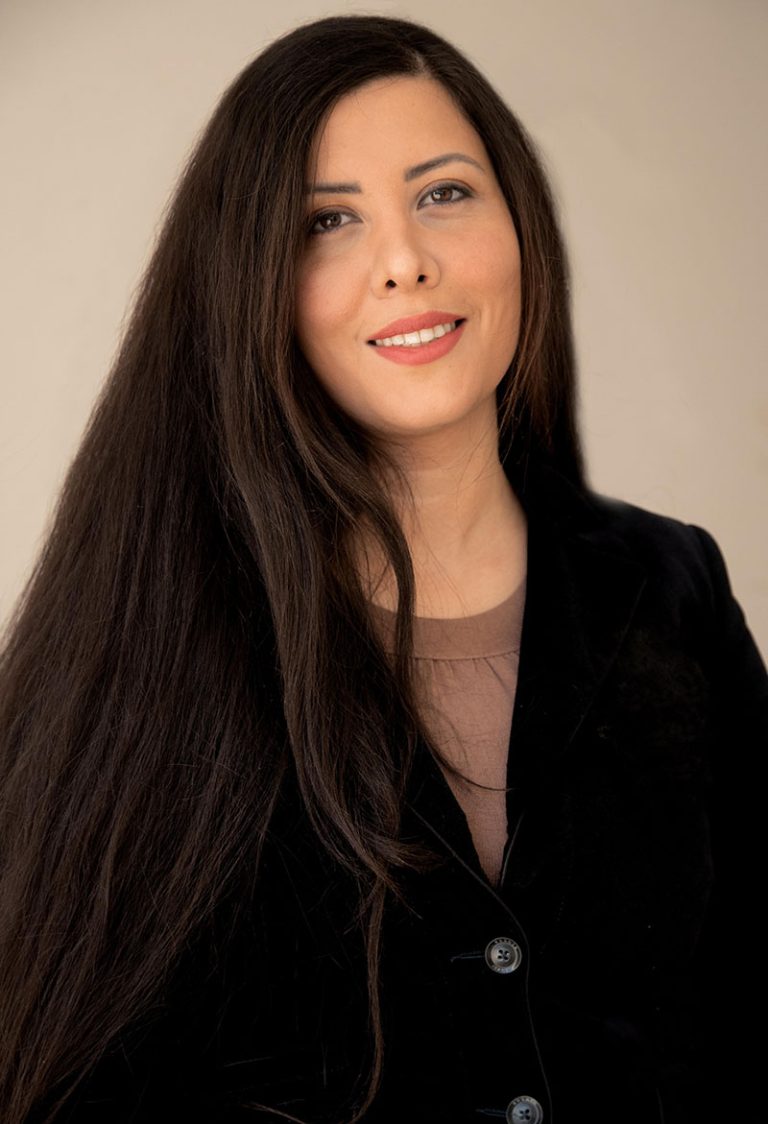
Ayoub, Ella
During my studies for a master’s degree in Near and Middle Eastern Studies, I became increasingly interested in the portrayal of Jews and Christians in Arab Media. I was particularly fascinated by the storytelling techniques used in television drama series. In this context, I wrote my master’s thesis on the portrayal of Jews in Arab television series, selecting four Syrian series with Jewish characters in the context of the Ottoman rule in Damascus as case studies.
...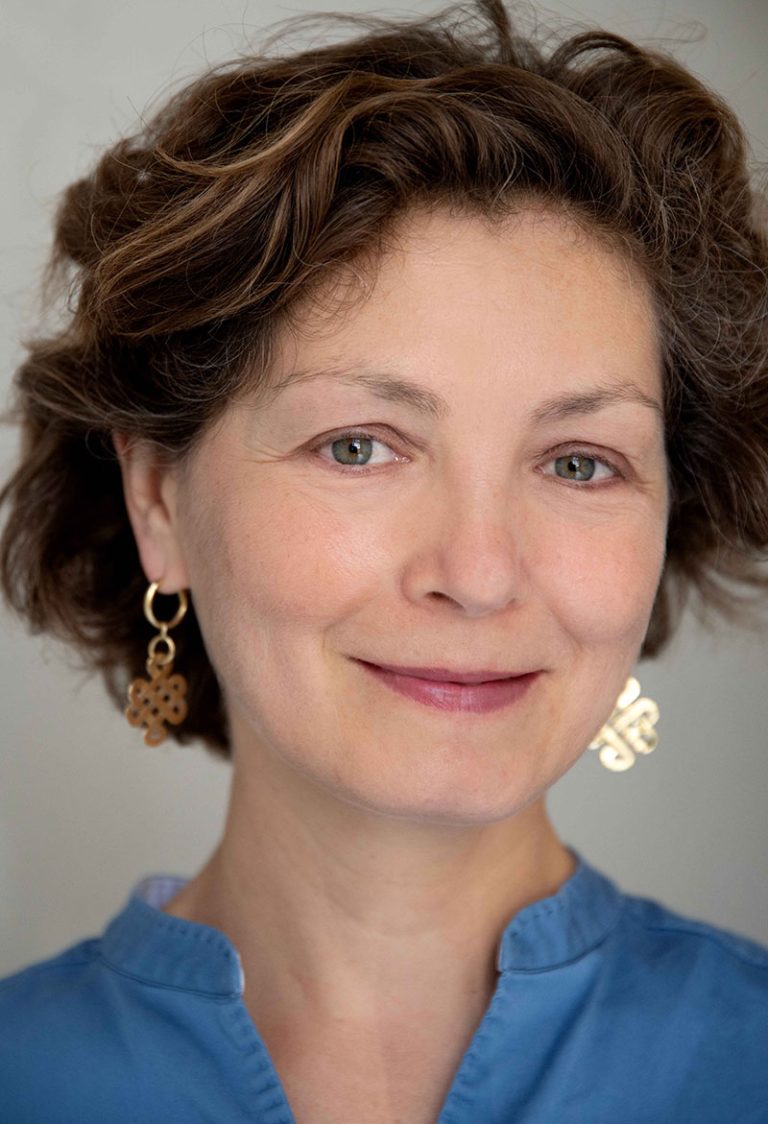
Bernheimer, Teresa
I am a historian of the medieval Near and Middle East, with a particular focus on the period between c. 600 and 1200 CE. My research explores the cultural, linguistic, and religious transformations that reshaped the Middle East following the Arab conquests, paying particular attention to the formation of Islam within the wider context of Late Antiquity and the multi-confessional societies of the medieval Middle East. My work combines social history, material culture, and historiography to investigate how religious communities, identities, and historical traditions emerged and evolved over time.
After studying History and Politics at SOAS, University of London, I completed an MPhil and DPhil in Oriental Studies at the University of Oxford, followed by a Mellon Postdoctoral Fellowship at Oxford (2006–2008). From 2009 to 2017 I taught the history of the early Islamic Middle East at SOAS, before moving to Ludwig-Maximilians-Universität Munich, where I have held successive research fellowships, including a Gerda Henkel Fellowship on the Kharijites and, since 2022, leadership of the collaborative research project Beyond Conflict and Coexistence: The Entangled History of Jewish–Arab Relations. In 2025 I was awarded the Therese von Bayern Prize for outstanding female researchers at LMU, and in 2026 included in the DFG Heisenberg Programme for my project The Middle East as Palimpsest: Tracing Layered Histories in Stone and Scholarship.
One major strand of my research examines the emergence of social and religious elites in the formative centuries of Islam. My monograph The ʿAlids: The First Family of Islam, 750–1200 (Edinburgh University Press, 2013), translated into Arabic, Persian, and Turkish, analyses the descendants of the Prophet Muhammad as an “Islamic aristocracy” and explores genealogy as a central organising principle of early Islamic society. More recently, I have extended this interest in authority, legitimacy, and communal identity through research on the Kharijites, challenging conventional narratives about one of the earliest and most influential rebel movements in Islamic history.
A second focus of my work is the study of material evidence for the first centuries of Islam. Coins, inscriptions, and tombstones provide contemporary evidence that complements—and often challenges—the later literary tradition. My early work on the coinage of the revolt of ʿAbdallah b. Muʿawiya demonstrated how numismatics can fundamentally reshape historical chronology and interpretation. More recently, my research has concentrated on early Islamic tombstones, investigating what funerary inscriptions and the tombstones as material objects reveal about everyday religious practice, language, memory, and processes of Arabisation and Islamisation. I am particularly interested in how material sources allow historians to recover voices and experiences largely absent from elite literary narratives.
Third, my research concerns the historiography of the medieval Middle East and the transmission of knowledge across religious and linguistic boundaries. My recent work examines the movement of ideas, texts, and concepts between Jewish, Christian, and Muslim communities, including collaborative projects on textual practices, colour terminology, and the entangled histories of Jewish–Arab relations. Rather than studying religious traditions in isolation, I seek to understand the medieval Middle East as a shared intellectual and cultural space in which ideas were continuously adapted, translated, and reinterpreted.
Teaching and public engagement remain central to my work. Throughout my career I have sought to make the early history of Islam accessible both to students and to wider audiences by introducing the methodological tools needed to navigate a field often shaped by modern assumptions and political debate. Together with Tamima Bayhom-Daou I edited the four-volume Early Islamic History: Critical Concepts in Islamic Studies, while with the late Andrew Rippin I prepared the fifth edition of the widely used textbook Muslims: Their Religious Beliefs and Practices. I continue to develop new forms of research training, most recently through the LMU–Cambridge Strategic Partnership workshops on Arabic documentary and epigraphic sources, which introduce graduate students and researchers to the use of material evidence for the study of the early Islamic world.
...Briata, Ilaria
...
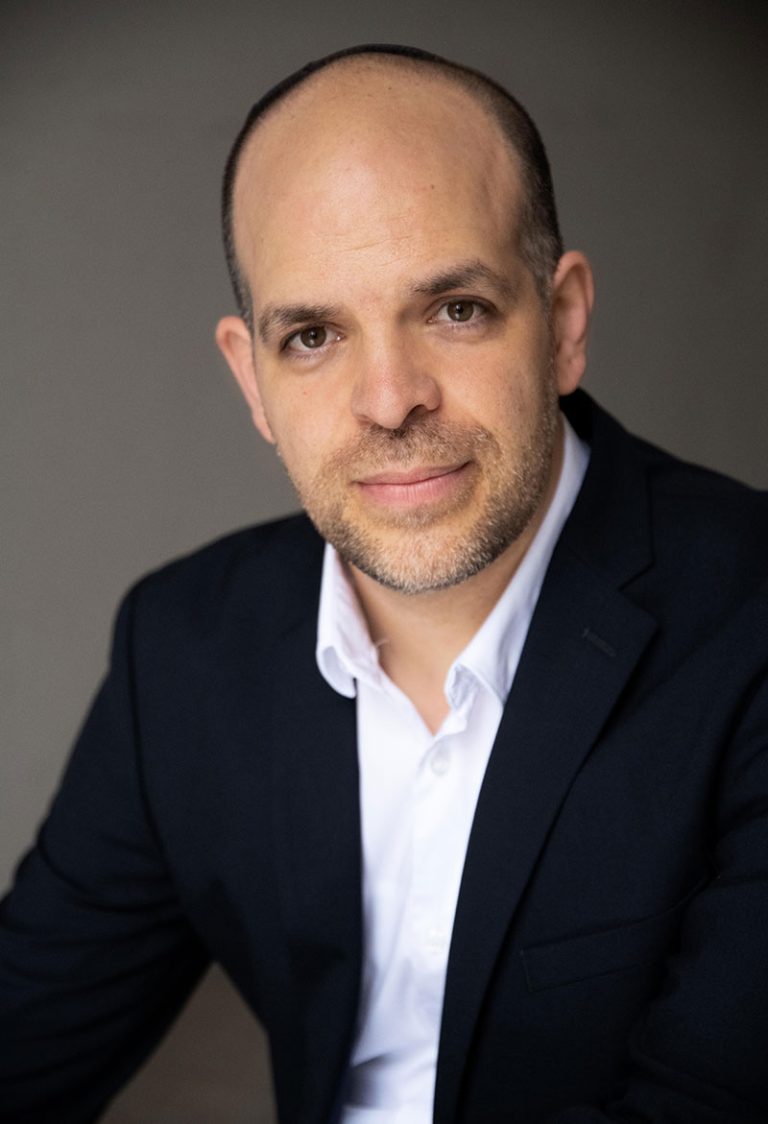
Brill, Yossi
My teaching focuses on literature written by Mizrahim (Sephardi Jews) in the 20th and 21st centuries. I use representative examples from contemporary Hebrew prose and poetry. With the complex configurations of identity of the Mizrahim, and their relationship to the new narrative of Arab Jews in Israel, the language of Mizrahi literature reflects, but also influences, social and cultural changes in Israel. At the same time, I am interested in the historical and cultural developments of Jewish communities under Islam in modern times, especially in the contours of approximation and separation from the Muslim majority society.
...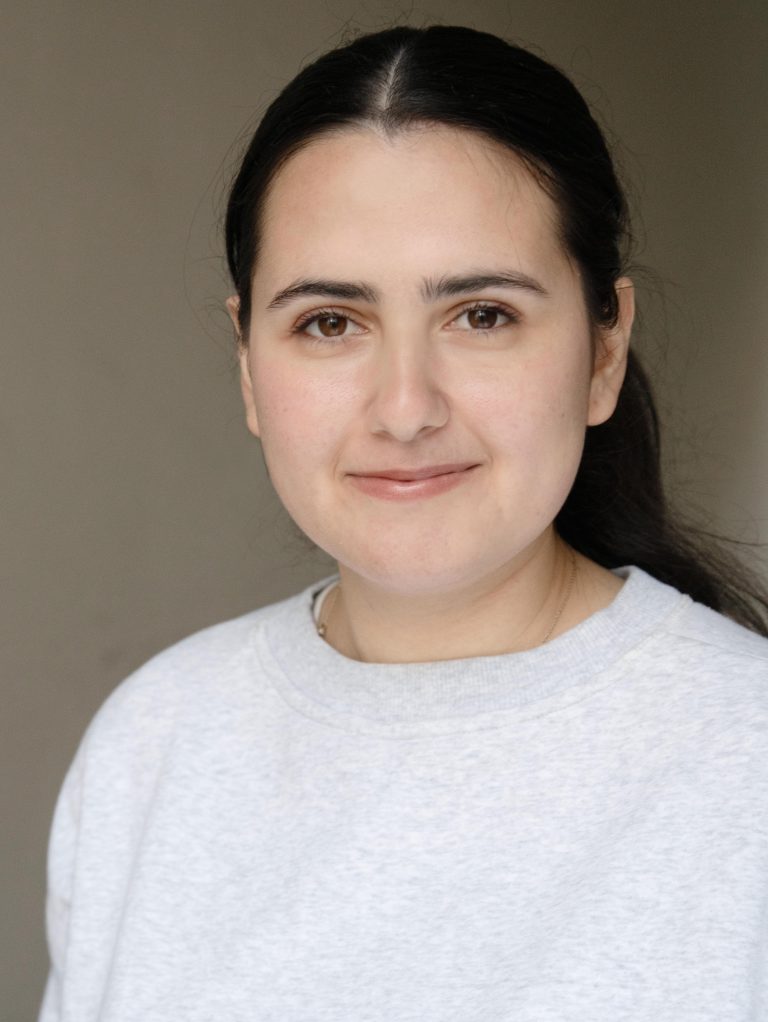
Chaharlangi, Tabea
I am currently working as a student assistant at the Chair of Jewish History and Culture as well as at the Institute for Near and Middle Eastern Studies (Department of Jewish Studies) at Ludwig Maximilian University of Munich. At the same time, I am pursuing a bachelor’s degree in Middle Eastern Studies with a minor in History. In May 2025, I was awarded the Leon and Lola Teicher Scholarship by the Friends of Jewish History and Culture Association.
...
de Molière, Maximilian
In 2021, I completed my dissertation on the library of the 15th-century Christian Hebraist Johann Albrecht Widmanstetter. The goal of this project was to contribute to the history of the Jewish book in the hands of Christian Hebraists. This investigation involved describing and cataloguing the codicological and paleographical features of Widmanstetter’s entire library (195 volumes of manuscripts and printed books) and feeding this information into a TEI-XML database to serve as the basis for analysis. Using this large dataset, I was able to reconstruct the chronology of his acquisitions, the booksellers from whom he sourced new printed books, and how Widmanstetter maintained his library over three decades of his life. Moreover, I was interested in the notes he left in the margins of his books. These marginalia throw new light on why he assessed the relevance of kabbalistic texts to Christianity differently than contemporary Christian kabbalists like Guillaume Postel or Egidio da Viterbo.
...
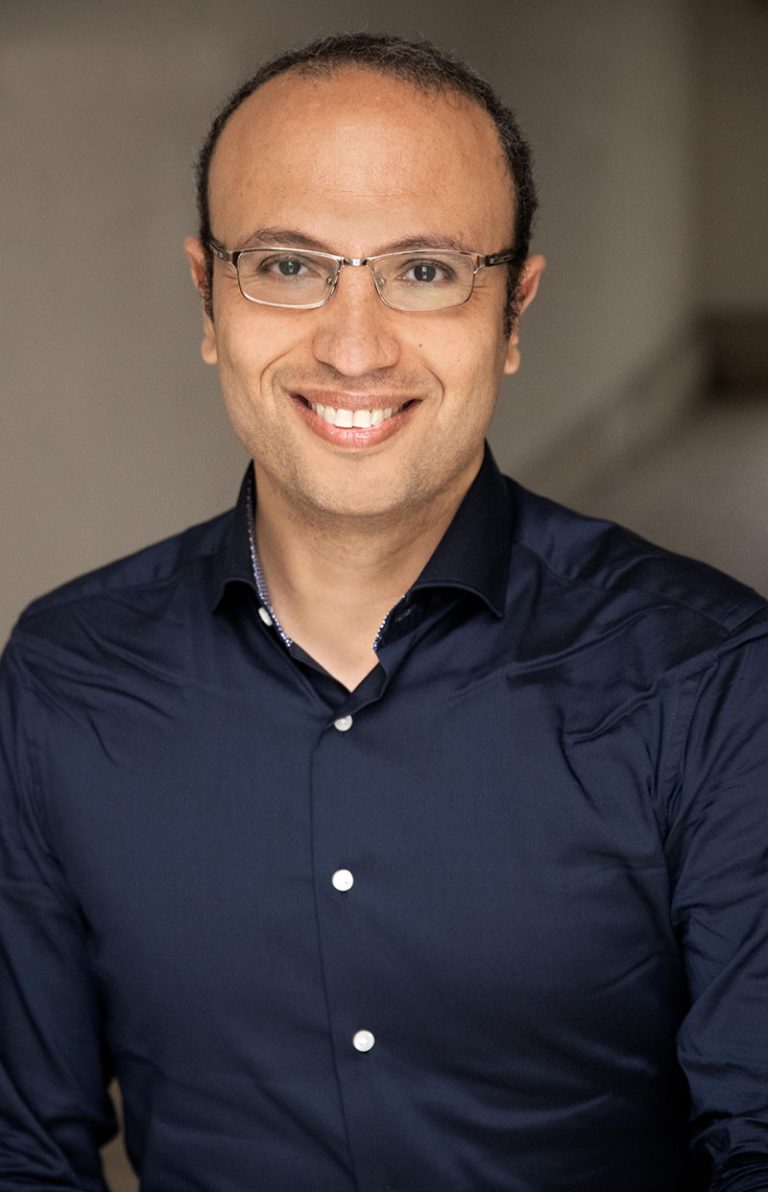
Faragalla, Joseph
I graduated from the English Department in the Faculty of Arts of Menia University (Egypt) in 2000, and then from the Coptic Theological Faculty (Egypt). I received my PhD in Theology from Philipps-Universität, Marburg, in 2018. My doctoral research concentrated on the study of the life and work of Simʿān b. Kalīl, a Coptic author from the 12th–13th centuries, producing a critical edition of his preface to the book of Psalms. Before coming to the Ludwig-Maximilians-Universität (LMU), Munich, in August 2021, I worked as a research assistant on a project funded by the German Research Foundation (DFG) on making a critical edition of the Arabic Apostolic Constitution at the Research Center for Oriental Christianity (Catholic University of Eichstätt-Ingolstadt). Currently I am one of a team preparing that work for publication.
...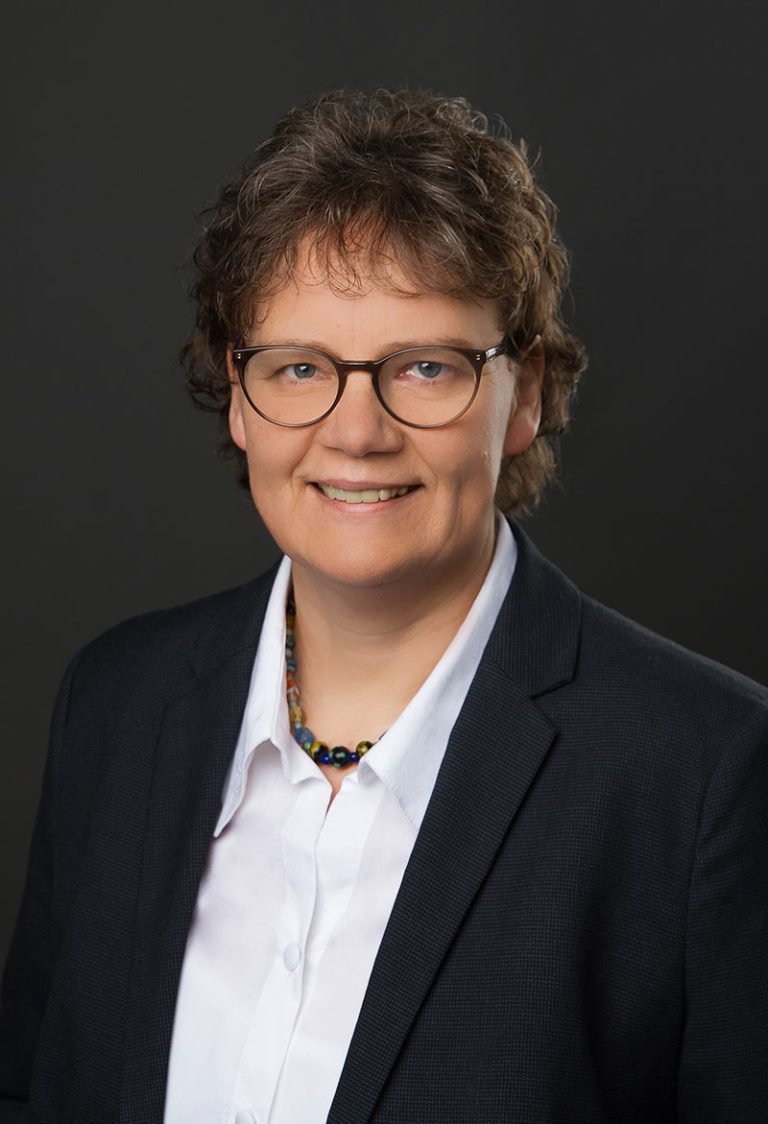
Figeac, Petra
I am currently researching the Jewish polymath Moritz Steinschneider (1816–1907), who wrote approximately 1,400 articles and books in several languages, publishing in journals in a wide range of fields. He was the encyclopaedic “father of Hebrew bibliography” and a central figure of the “Wissenschaft des Judentums”, but no scientific biography of Steinschneider has yet been written. The first step in understanding the “cheminement intellectuel” is the compilation of a chronologically ordered bibliography, based on Steinschneider’s own article in the Bodleiana Catalogue (1852–1860) and on the bibliography of his disciple G.A. Kohut, published in the Festschrift of 1896. To cite Solomon Schechter (1847–1915), the Bodleiana Catalogue is “the work by which he will after all be best remembered, and which has become the Urim and Thummim of every Jewish student.”. The field of bibliography has changed in recent years and the Catalogue is no longer used as it was before. However, Steinschneider’s results are the foundation of all our databases in the field of Judaic studies. Without the great knowledge, experience, and accuracy of Steinschneider, many bibliographical questions would (still) be unresolved today.
...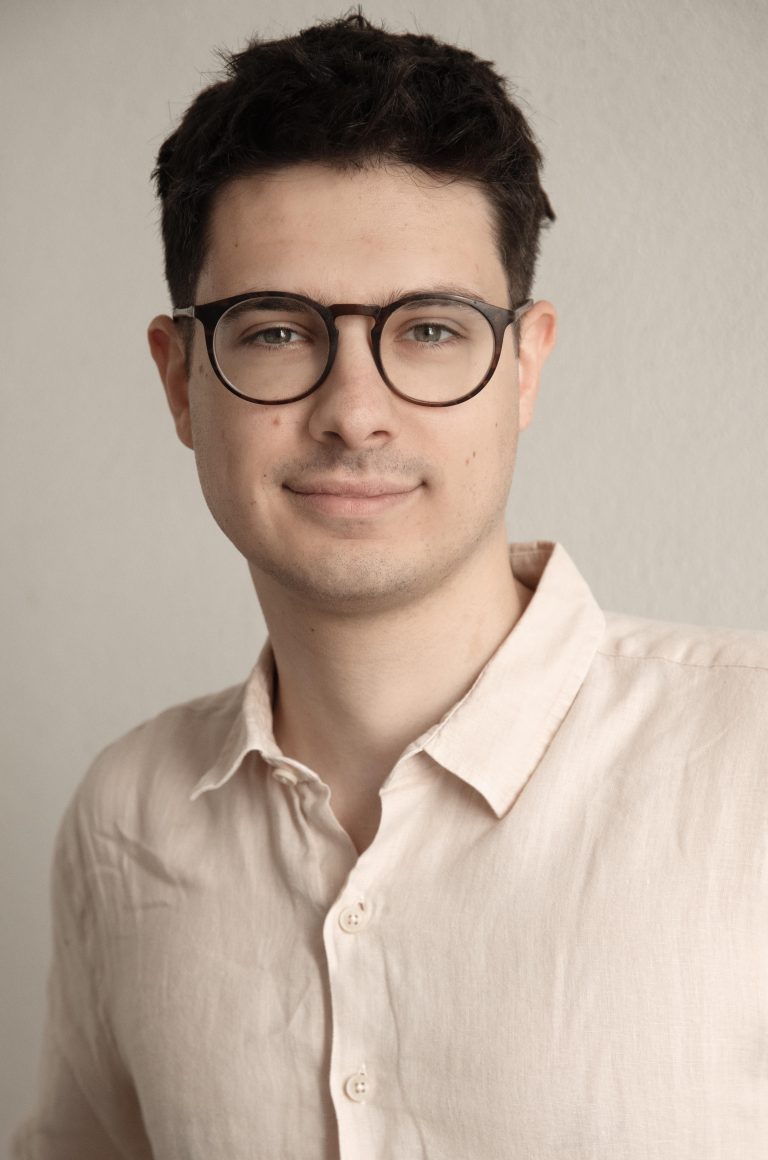
Frigo, Filippo
As a PhD candidate within the Biblia Arabica project, my research focuses on the Christian Arabic translations of the Song of Songs. After compiling a comprehensive inventory of the extant witnesses, I will analyze the linguistic features of these translations and examine their relationship to the various Vorlagen, alongside the integration of paratextual and codicological data into discussions of canon and usage. The project will culminate in the preparation of a critical edition of at least one significant version of the Christian Arabic Song of Songs.
...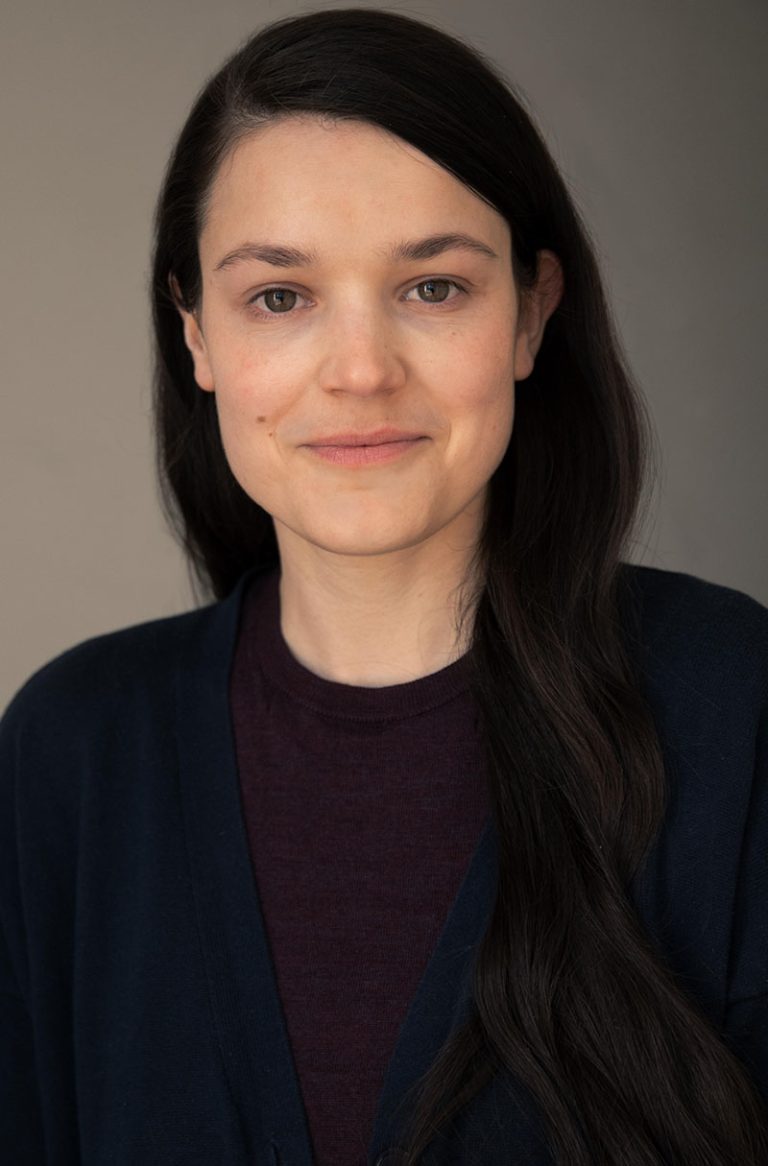
Gzella, Lea
Although the subject goes by different names in different places, I studied Semitic Studies wherever I went. Over the course of my studies, Biblical Hebrew, Judeo-Arabic, and manuscript work emerged as particular areas of interest.
To bring together these adjacent but distinct fields of scholarship, I wrote my doctoral dissertation on Ibn Ǧanāḥ’s Kitāb al-uṣūl. This dictionary of Biblical Hebrew, written in Judeo-Arabic in the eleventh century, is a seminal work of Hebrew lexicography whose influence extends well beyond the Middle Ages into modern times. Specifically, I produced a partial edition of the work, comprising the introduction and the letter א, together with an English translation. Because Ibn Ǧanāḥ’s lexicographical endeavours provide the backdrop for his extensive explanations of the biblical text, I also examined his approach to literal and figurative language in the Hebrew Bible, also clarifying how their relationship is reflected in individual dictionary entries. In addition, I studied his Arabic translations of the Hebrew Bible, analysing his translation technique.
In May 2026, I was appointed postdoctoral researcher for the new Biblia Arabica Academies project. Over the course of the coming years, my aims within the project are threefold: to provide a critical edition and translation of an Arabic translation of Song of Songs; to identify and record manuscripts containing Jewish-Arabic translations of the Hebrew Bible; and to manage the Biblia Arabica Bibliography.
Haffner, Simon
Almost since I can remember I have been fascinated by language. Retrospectively, it becomes more and more apparent to me that my interest is predominantly in two aspects of language: first, its creative usage in literature, especially in poetry, which led me to study comparative literature and literary theory; and second, its nature as a (not coherent, but astonishingly well working) system of patterns and rules, i.e. grammar. Therefore, learning languages has been an important part not only of my academic but also my personal development from my very first semester (needless to say, my skills in different languages are unevenly distributed). In particular, my semester abroad in Paris (2017–2018) and an intensive language course in Jerusalem (2019), as well as being a tutor for Hebrew and Arabic for two years, were formative and highly valuable experiences in my studies.
...
Ioppolo, Fabio
I am a research associate in an international collaborative project funded by the DFG and the AHRC entitled “The History of the Jewish Book in the Islamicate World”. Within the project, I am also writing my doctoral thesis within a cotutelle program, co-organised by Ludwig-Maximilians-Universität (LMU), Munich, and the EPHE, Paris. My thesis aims at reconstructing the Jewish book trade in the Islamicate world from the late adoption of the (codices) format in the 9th to the 14th centuries, before the introduction of the first printing press. My research interests mainly focus on the history of Jews in the Near and Middle East. This interest led me to working intensively with manuscripts, which pathed my way to specialisation in Jewish book history, Jewish and Muslim codicology, and Hebrew and Arabic palaeography. Moreover, the work with manuscript collections led to my other research interest, the acquisition and collection history of manuscripts from the Near and Middle East.
...
Kisler, Rudy
I am a research fellow in the Volkswagen Momentum Program “From Pre-Modern to Modern Perspectives in Judaic Studies” at the Munich Research Centre for Jewish-Arabic Cultures.
...
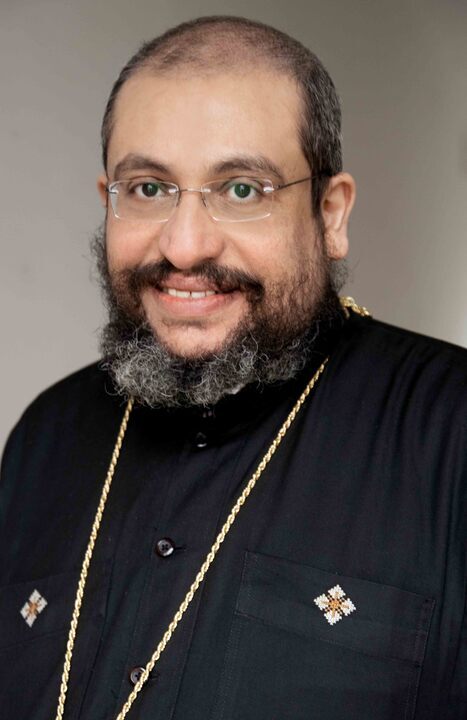
Kiyanrad, Sarah
My researcher’s heart beats for Iranian cultural history in the longue durée − in all its facets. From the use of tattoos throughout centuries and millennia to the longstanding tradition of Persian verse chronicles. Courses I taught and co-taught here in Munich include Truth and Lie, Order and Disorder. Iran from 2000 BCE until Today; Women in Iranian History; and Yeki bud, yeki nabud: History and Present of Iranian Arts in Exile. Some events I have held more recently include a workshop on Persian historiography in verse; and a film screening attended by the director Narges Kalhor. I also initiated the Norouz Lecture, which now takes place annually at the institute − a celebration of Iranian culture on occasion of the Iranian New Year!
...
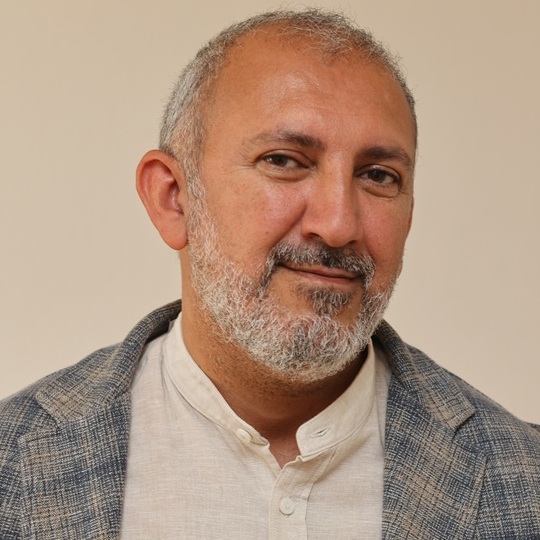
Labib, Zakka
I am a PhD candidate in Judaic studies, and my current research interests are medieval Jewish and Christian biblical commentaries, especially on the book of Psalms. My dissertation focuses on the tafāsīr, or Arabic commentaries, on the book of Psalms, tracing the history of the different versions of the Arabic commentaries and prefaces on that book, including Judeo-Arabic and Christian Arabic commentaries.
...
Langroudi, Ali
...
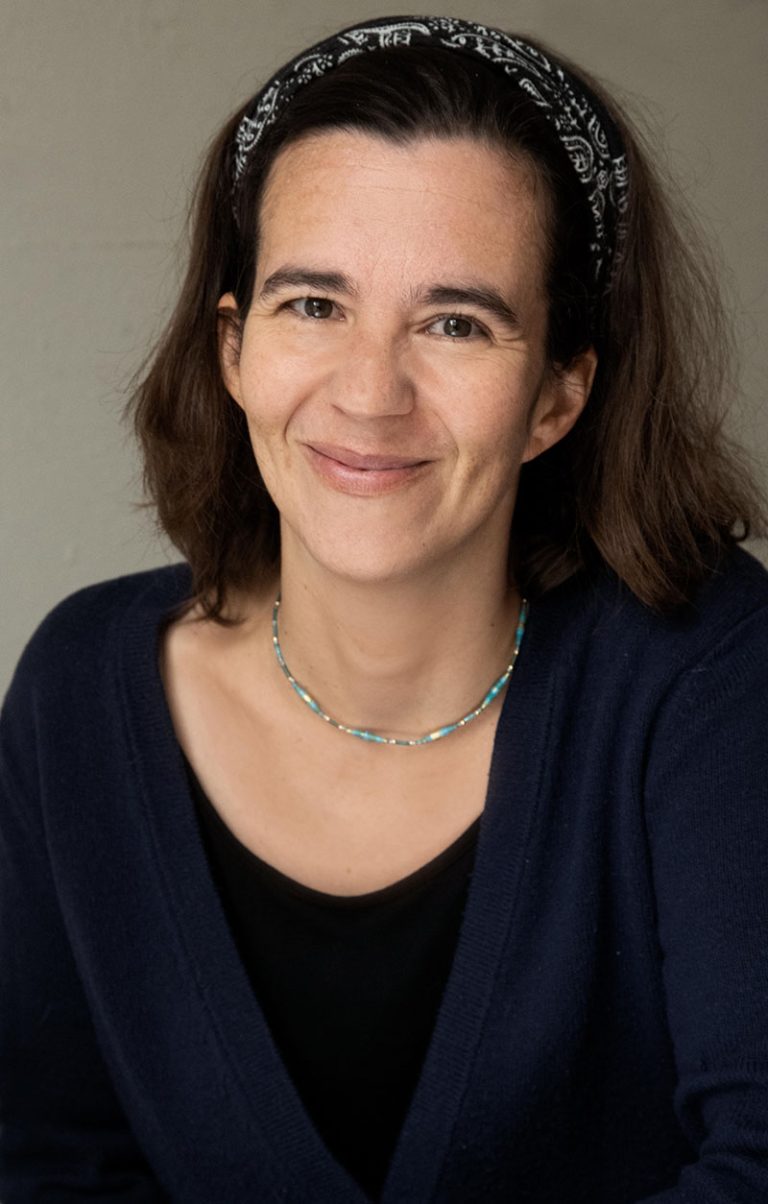
Lemaire, Sarah
Yose ben Yose was the first poet to write in Hebrew whose name has come down to us since Ben Sirah. He began his piyyut “Atah konanta ᶜolam be-rov ḥesed” (‘You created the world with great love’) with a creation hymn. In clear, sublime language, the poet created a mosaic of creation legends. This double fascination of the beginning – the world creation hymn of an avant-gardist of synagogue poetry – is what I am trying to capture in my dissertation. I also examine the piyyut-genre of avodah as verbal sacrifice, how the Day of Atonement is reflected in Jose ben Jose’ poetic representation of creation, and what similarities and differences “Atah konanta ᶜolam be-rov ḥesed” has to other early avodah poems. Another focus is the particularly close connection between piyyut and targum in dealing with the biblical creation accounts and their function as a bridge between the house of study and the synagogue.
...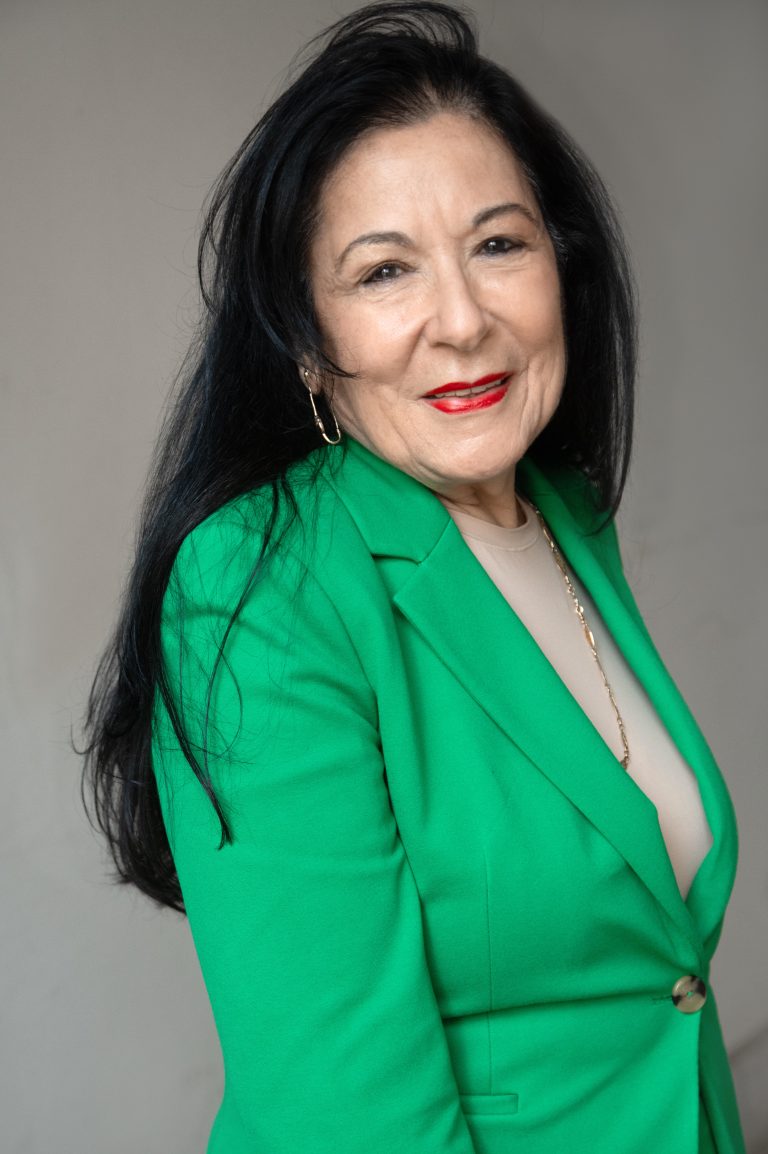
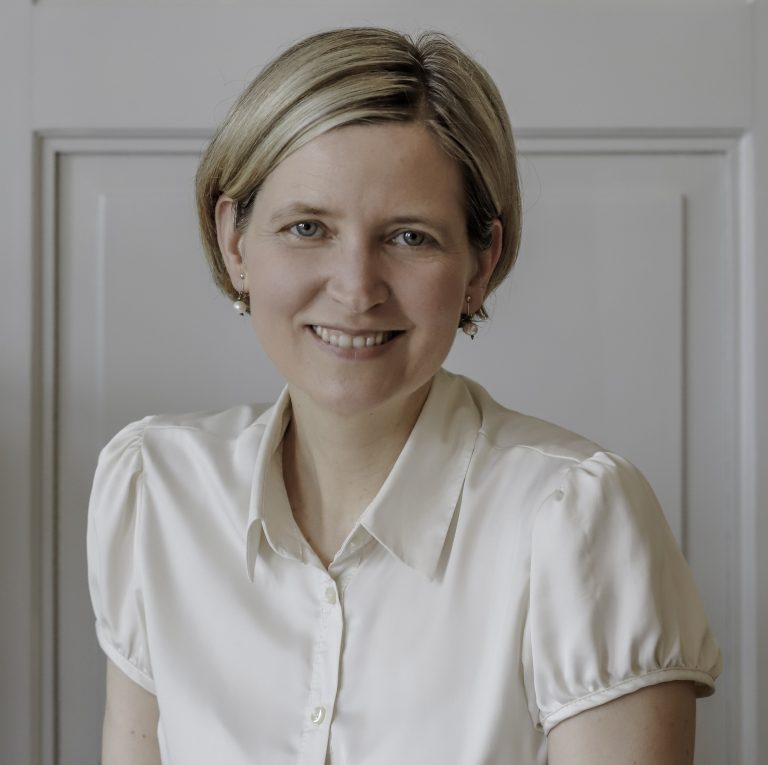
Lombardi, Dina
I studied Bible, Jewish Philosophy, and Hebrew Literature at the Hebrew University in Jerusalem, completing my BA and earning my High School Education Degree for Hebrew Literature. I completed one year toward a Master’s degree in Theater at Tel Aviv University.
...
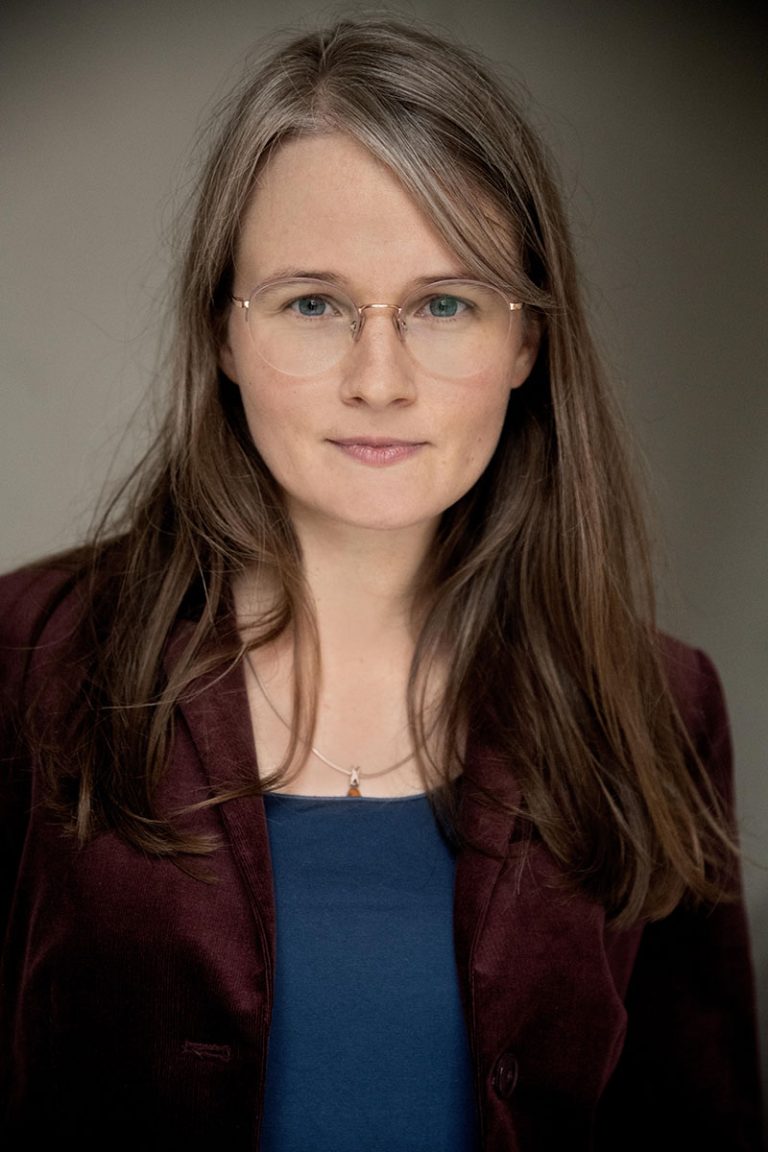
Matut, Diana
I am a research fellow at the Unit of Judaic Studies at Ludwig-Maximilians-University Munich (LMU). I am director of the Old Synagogue – House of Jewish Culture in Essen and regularly teach Jewish Music (and Old Yiddish) for the Oxford Center for Hebrew and Jewish Studies, for the Aleph Cantorial Program, and the Other Music Academy – Yiddish Summer Weimar.
...
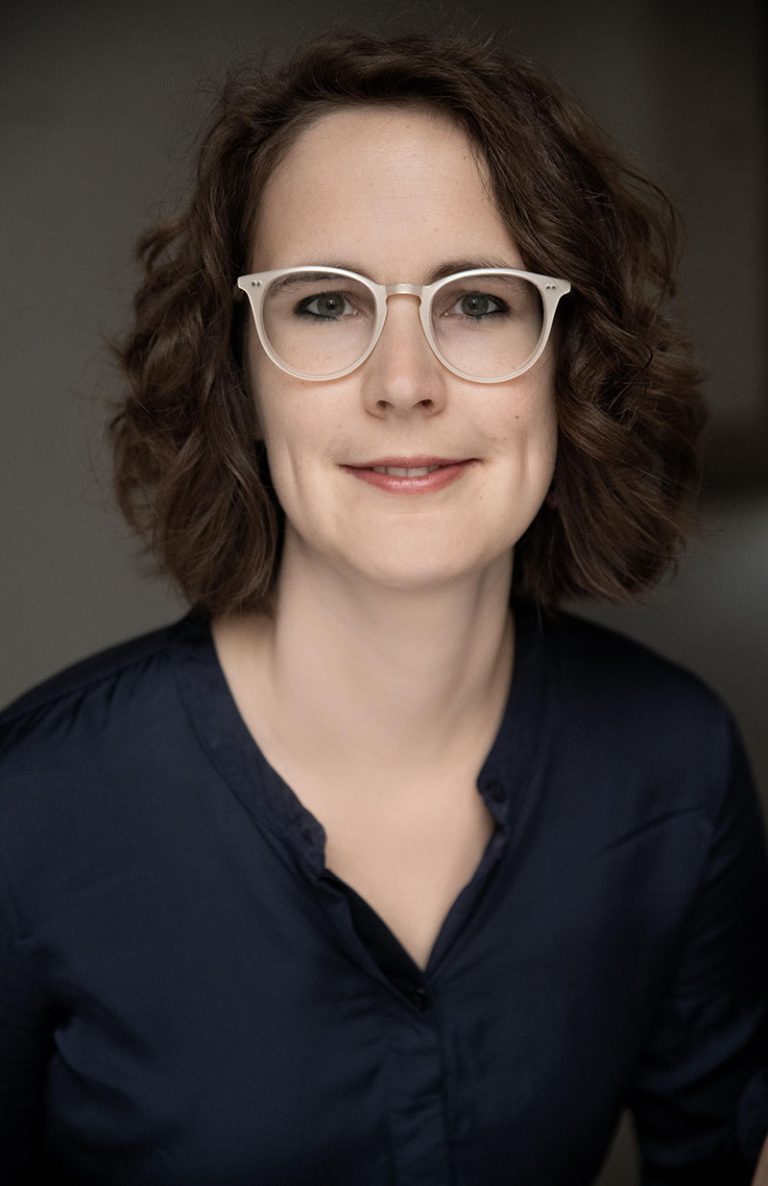
Schmidt, Friederike
An Arabist by training (with an MA in Arabic Studies with minors in religious studies and political science, and an MA in Conference Interpreting (Arabic, German)), I am now pursuing my PhD in the field of the history and culture of the Near and Middle East, focusing specifically on Jewish-Arabic cultures.
...
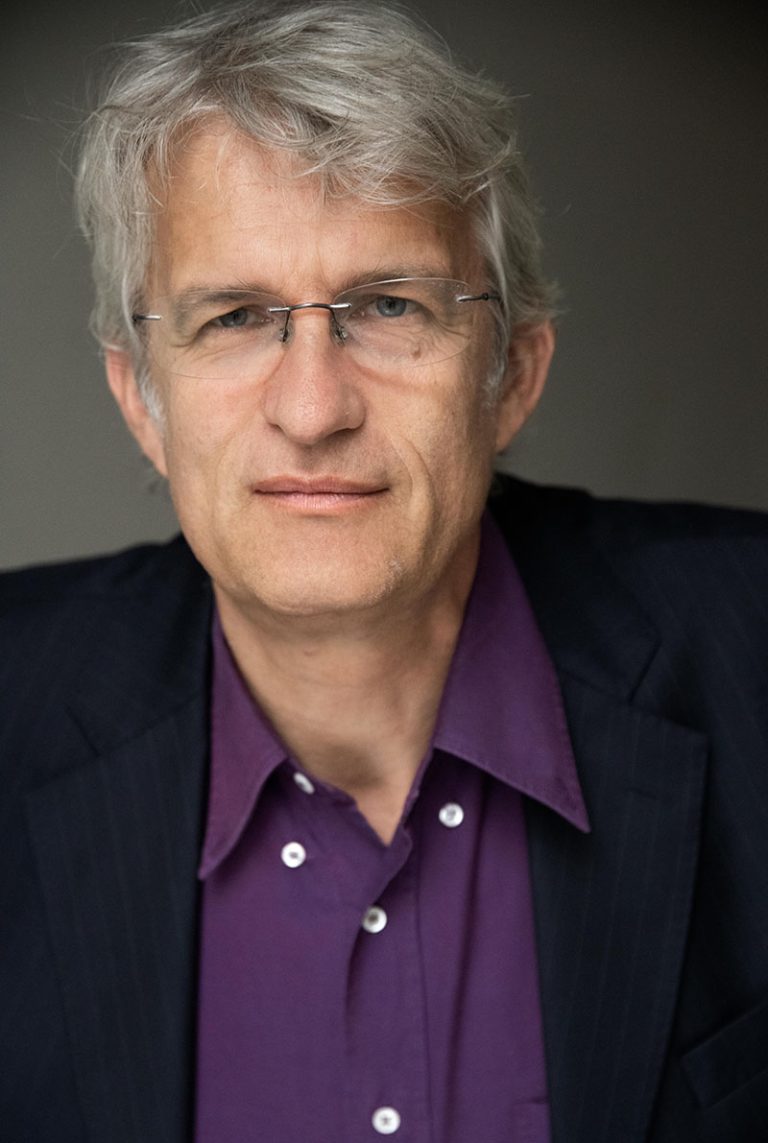
Schmitt, Sophia
I am a research fellow in the unit of Judaic Studies at Ludwig-Maximilians-Universität (LMU), Munich.
...
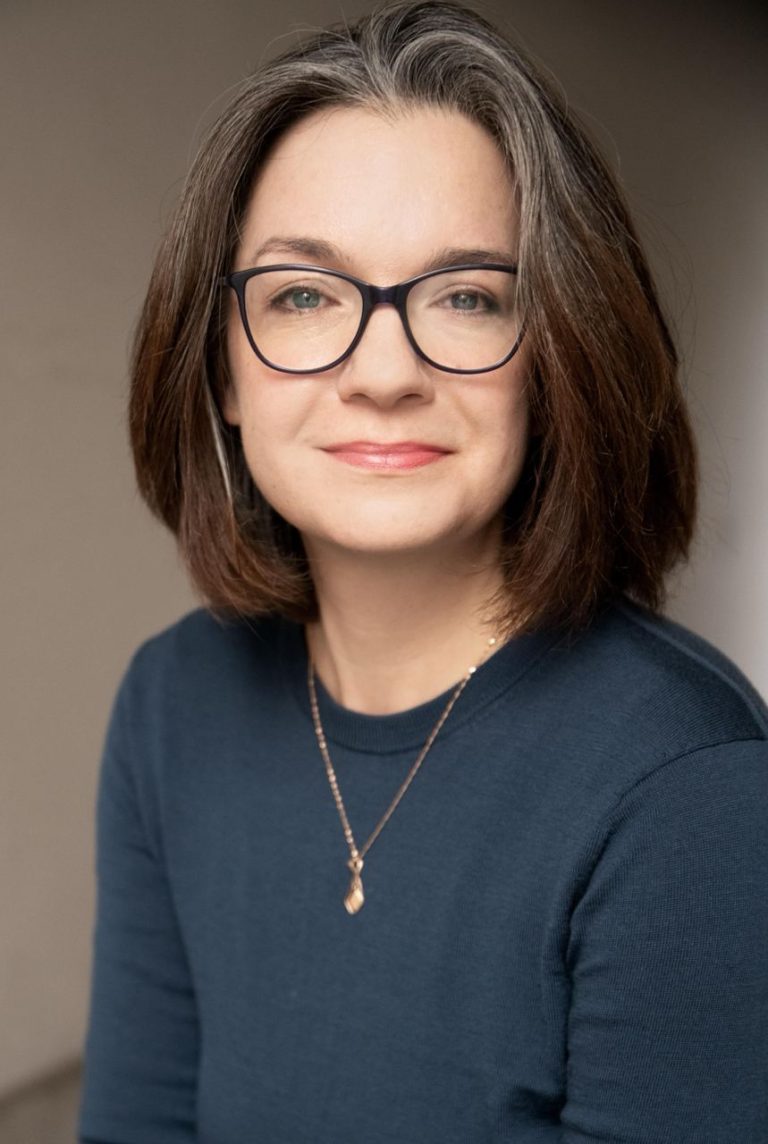
Schwarb, Gregor
My research focuses on the history of trans-denominational intellectual thought in the pre-modern Islamicate world. As a matter of methodological preference and historiographical priority, my studies cut across established disciplinary boundaries and transgress real or imaginary borders between religious communities and schools of thought.
...
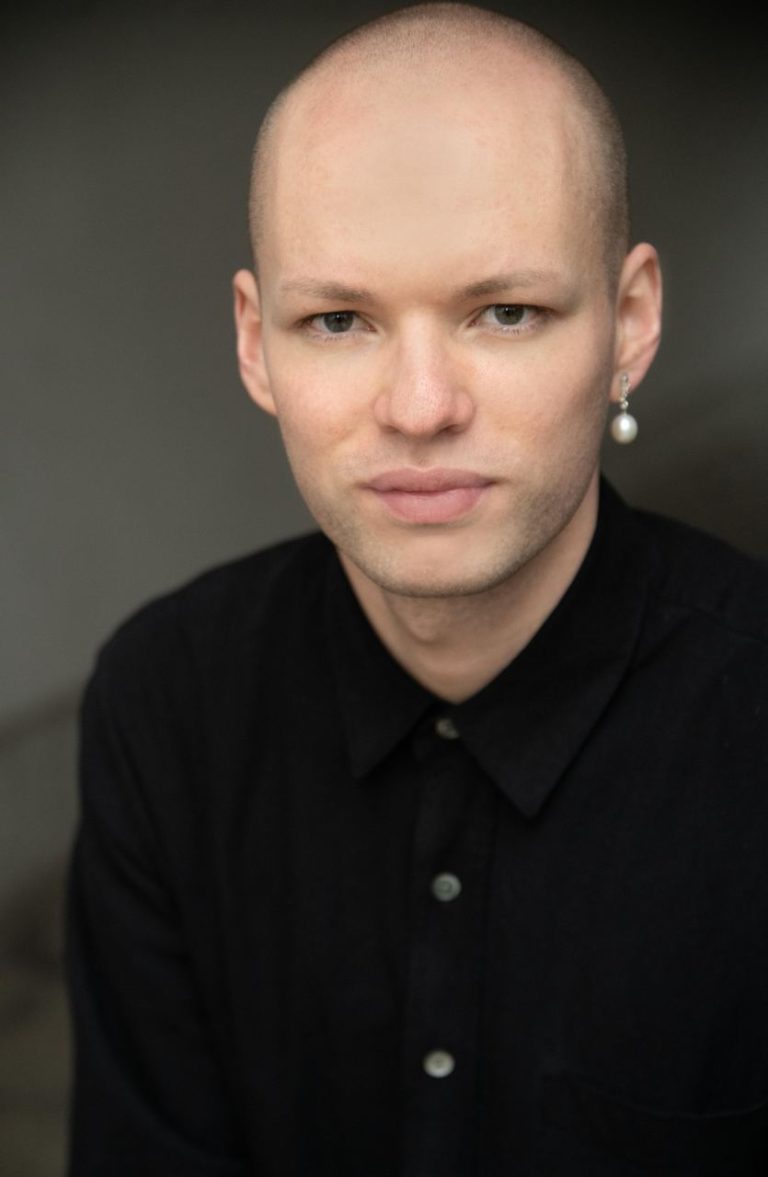
Shcherbakova, Marina
I coordinate the VW Momentum Project „From Pre-Modern to Modern Perspectives in Judaic Studies“ in the unit of Jewish studies at the Ludwig-Maximilian University of Munich. I am also working on my doctoral dissertation „Soviet Jewish Museums Within and Beyond the State Nationalities Policies, 1917–1952“ at Heidelberg University. My research is focused on politics and practices of musealization of Jewish culture in Soviet Uzbekistan, Georgia, and Ukraine, with a special interest in center-periphery relations in the diaspora of the former Russian Empire. Beyond that, I have been involved in exhibition projects at the Foundation of the Murdered Jews of Europe in Berlin and the Judaica Division of the Russian Museum of Ethnography in St. Petersburg.
...
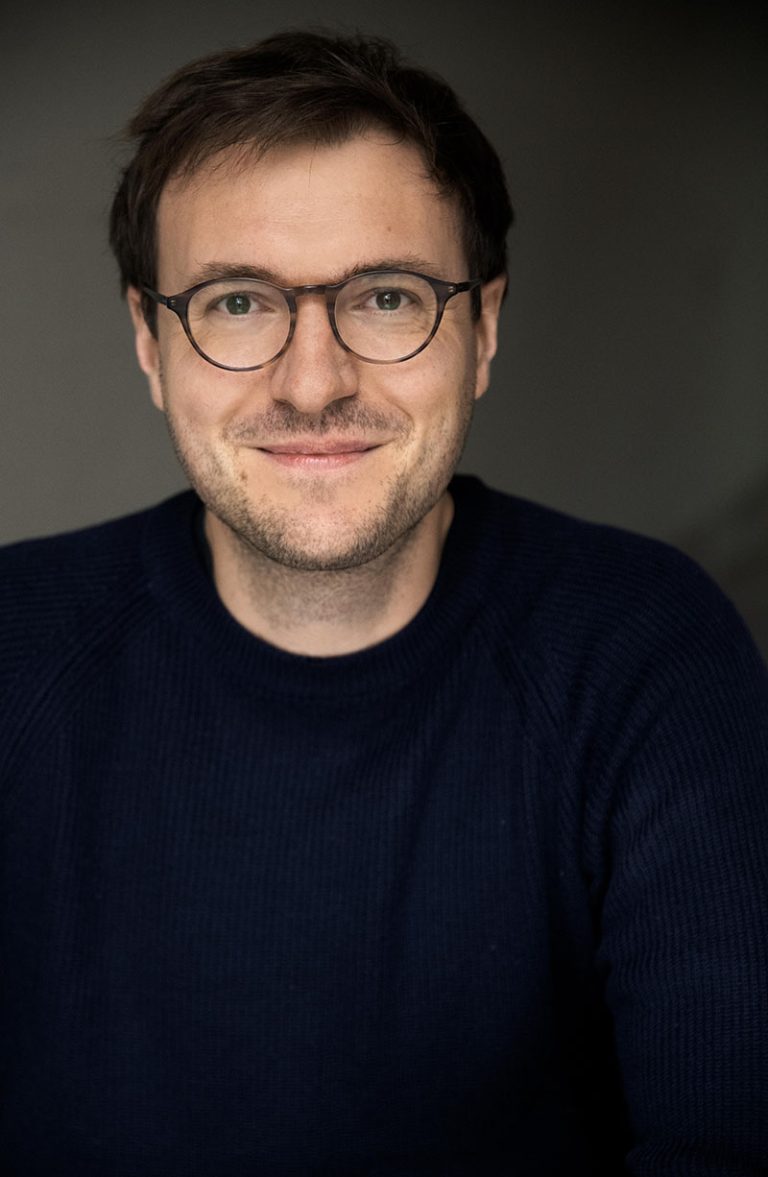
Stadler, Ezra
I am interested in questions of historicization, historical consciuosness and, in particular, the dialectic between the continual return to a law and its deconstruction within the Jewish tradition since the Rabbinic period. In my Master’s degree, I focus primarily on Jewish language thought and Hebrew linguistics. In the future, I would like to expand my research to piyyutim, Kabbalistic language thought and Hebrew palaeography. I worked as a tutor for Modern Hebrew and participated in the project The History of the Jewish Book in the Islamic World.
...
Tarras, Peter
I studied Philosophy, Islamic Studies, and Near and Middle Eastern Studies in Kiel, Munich, and Sheffield. Whilst undertaking my doctoral research in the history of Arabic philosophy, I’ve always maintained a profound interest in pre-modern manuscript cultures, primarily in Arabic and especially of Christian and Jewish communities of the Islamic world. I approach them from the perspectives of material philology, book history, and provenance history. I have published on different aspects of textual transmissions with a focus on scribal culture, materiality, and textual practices as well as the emergence of manuscript collections. More recently, I became interested in the question of how the production of manuscripts and literary works relates to institutional settings. This is something I’m studying with respect to the production of early Christian Arabic monastic literature as well as within the ERC project MAJLIS, looking at Judaeo-Arabic works and their revisions authored by the members of the Qaraite dār al-ʿilm in 10th- and 11th-century CE Jerusalem. In January 2026, I was appointed project coordinator and senior researcher for the new Biblia Arabica Academies project. Previously, I have worked for the Arabic and Latin Corpus as well as the Arabic and Latin Glossary (Julius-Maximilians-Universität, Würzburg).
...
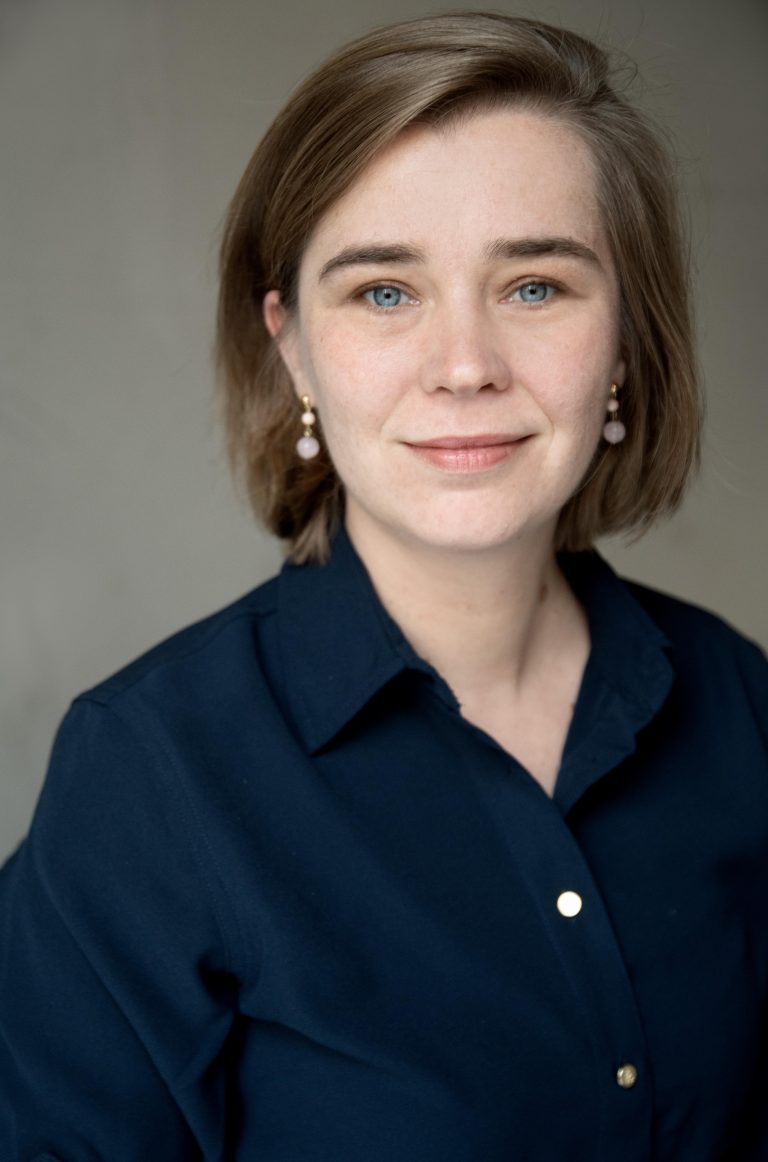
Thalmann, Jessica
I currently work as a student research assistant for a project called Biblia Arabica, which focuses on Arabic translations of the Bible at Ludwig Maximilian University (LMU) in Munich. I also work as a student assistant in Arabic studies, where I am designing a podcast for Arabic learners and teaching an Arabic reading tutorial. I originally started studying Middle Eastern Studies because I was interested in cultural studies and wanted to challenge myself with a complex language like Arabic. In order not to lose sight of my technical interests, I chose computer science as a minor. My studies deepened my interest in cultural studies, as well as in Arabic and Judeo-Arabic. To complement my bachelor’s degree, I am doing an additional certificate in African Studies at the University of Bayreuth. After my bachelor’s degree, I definitely want to do a master’s degree where I can expand my language and computer science skills.
...
Trauer, Hanna Zoe
I studied Jewish Studies and Philosophy at Freie Universität Berlin, specializing in Medieval Jewish philosophy from a transcultural perspective. My MA thesis explored the transfer of Avicennian concepts into Hebrew. My PhD dissertation examines theories of sleep, dreams, and imagination in two medieval Hebrew encyclopedias (“Das Wissen der Imagination. Schlaf, Traum und Vorstellungskraft in hebräischen Enzyklopädien des 13. Jahrhunderts (Shem Tov Ibn Falaquera’s Deʿot ha-Filosofim and Gershon ben Solomon’s Shaʿar ha-Shamayim)” Wiesbaden: Harrassowitz, forthcoming).
...
Urbiczek, Nadine
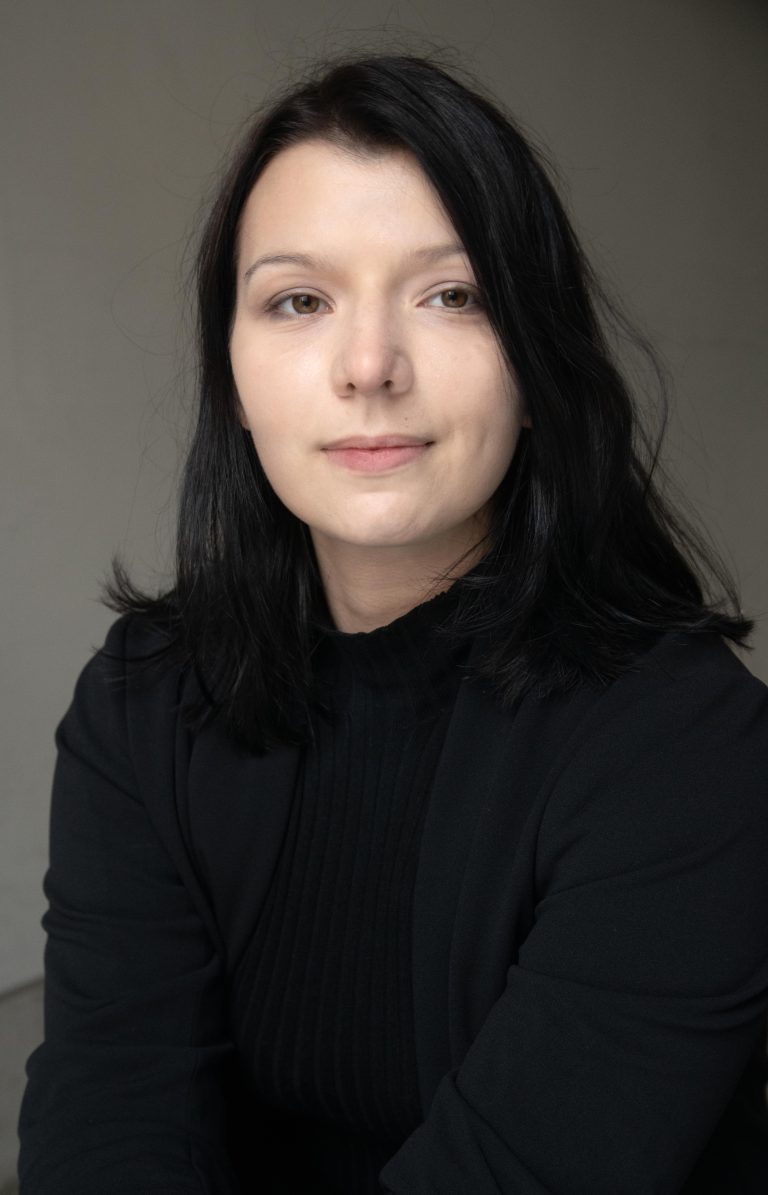
I am a PhD candidate and research associate with the ERC research project “MAJLIS: The Transformation of Jewish Literature in Arabic in the Islamicate World”. In my research, I am focusing on the institutional history of the Qaraite dār al-ʿilm and its scholarly culture within a broader historical context. I obtained my MA in Middle Eastern Studies at the Institute of Near and Middle Eastern Studies at the Ludwig-Maximilians-Universität (LMU), Munich, with a language emphasis on Arabic and Hebrew.<
...
Varajti, Tünde
I am a tutor for Hebrew.
My academic interests lie in the field of cultural contacts and societal transformations between the civilizations of the Near and Middle East. In particular, I am interested in how ideas, languages, and trade spread and how they influence and transform social configurations.

Vidro, Nadia
I am a cultural and intellectual historian of medieval Jews in Muslim lands, with a strong focus on Qaraite Judaism. All my research is manuscript based. I hold a PhD in Hebrew Studies from Cambridge (2010), an MA in Jewish Studies (major), Islamic Studies (minor) and General Linguistics (minor) from the University of Cologne (2004) and a Diploma in Bio-physics from the Saratov State University, Russia (2000). In my PhD and early post-doctoral research, I studied Qaraite treatises on Biblical Hebrew grammar, focusing on the Qaraite approaches to Biblical Hebrew verbal morphology, and worked on the transmission of grammatical knowledge between the Muslim and the Jewish cultures. My more recent research has been on the history of the Jewish calendar, both Qaraite and Rabbanite, and the socio-historical implications of calendar diversity. In a separate project, I explored the possibility of using datable calendar fragments from the Cairo Genizah as points of comparison for handwriting analysis, a topic that bridged my interest in calendars and my fascination with Jewish manuscripts.
...
Vollandt, Ronny
...
